
Hardwood Flooring Acclimation: Why Skipping This Step Ruins Floors
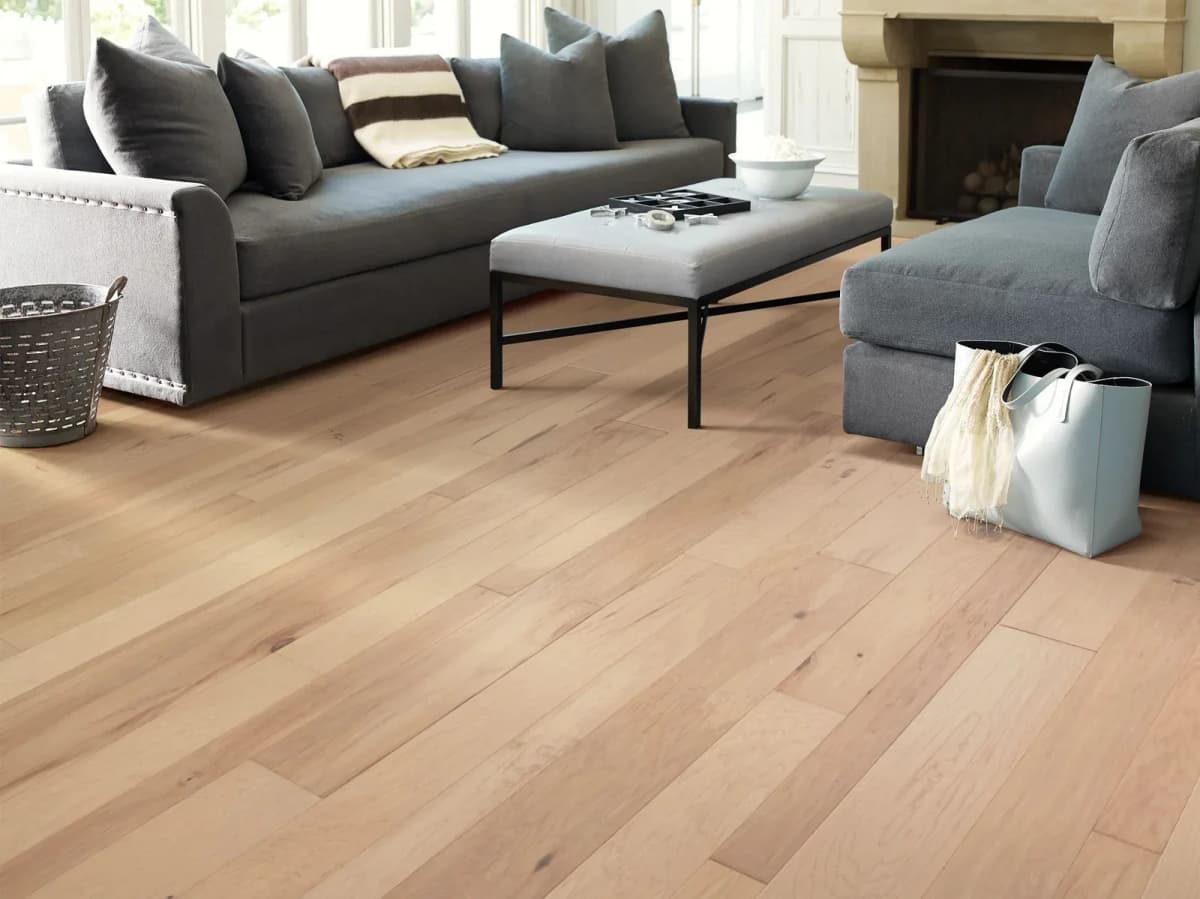
Floor names link to their product pages in a new tab.
If there's one mistake that ruins more hardwood floors than any other, it's skipping acclimation. It's also the easiest mistake to make — the boxes arrive, you're excited, and your installer says they can start tomorrow. A week later, the floor is cupping or gapping and everyone's pointing fingers.
Here's the thing: wood is a natural material. It moves. And if you don't let it adjust to your home's environment before installation, it will adjust afterward — with ugly, expensive consequences.
What Acclimation Actually Means
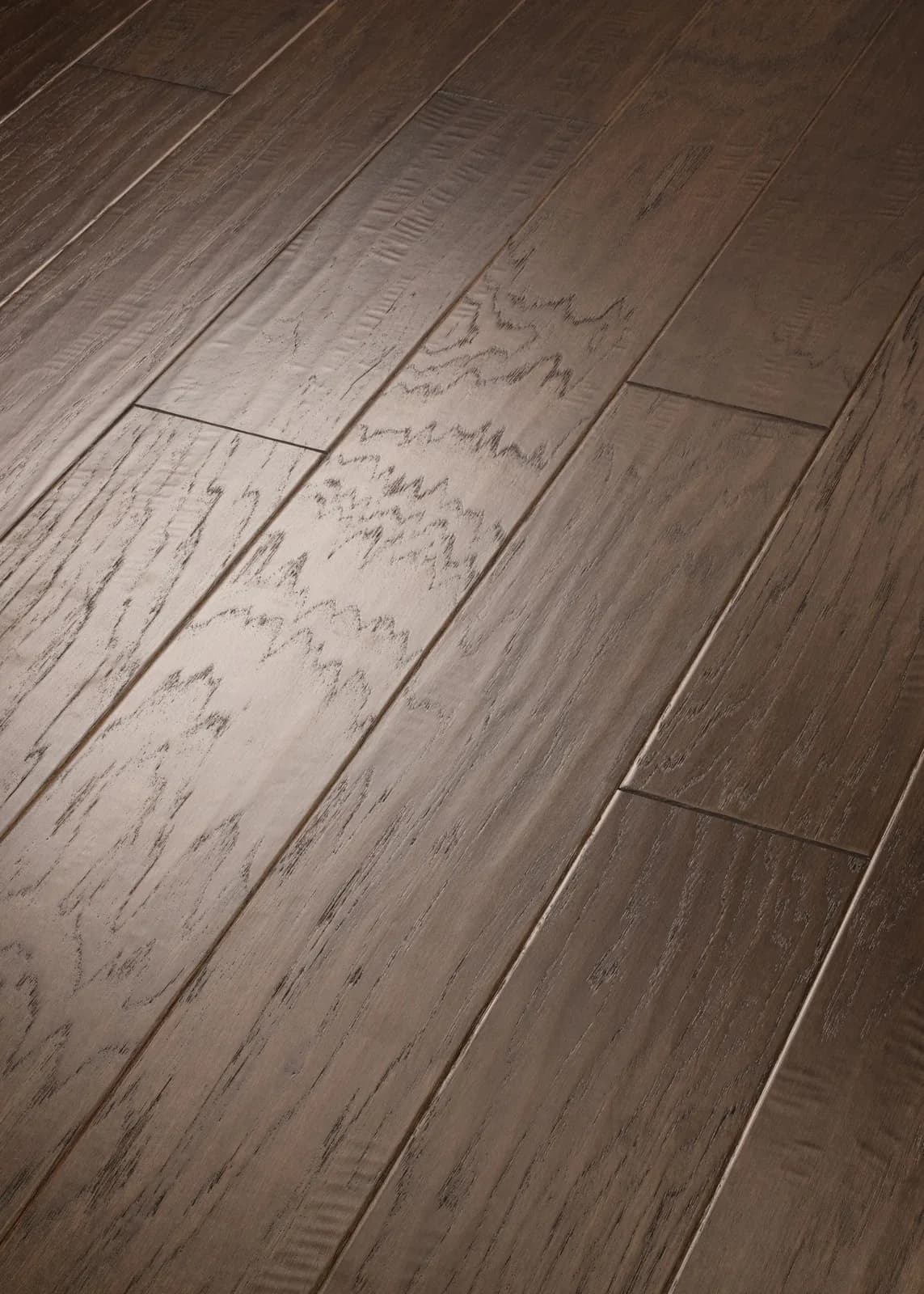
Acclimation is the process of letting hardwood flooring sit, unopened or loosely stacked, inside the room where it will be installed. The goal is simple: bring the moisture content of the wood into equilibrium with the humidity level of your home.
Wood is hygroscopic — it absorbs and releases moisture from the surrounding air. When flooring is manufactured, stored in a warehouse, and shipped across the country, its moisture content reflects the conditions of those environments, not your living room. If you install planks that are significantly wetter or drier than your home's ambient humidity, the wood will expand or contract as it adjusts. And when it's locked in place on your subfloor, that movement has nowhere to go.
The result: cupping, crowning, gapping, or buckling. All of which are preventable.
How Long Does Acclimation Take?
The honest answer is: it depends, and there is no universal number to quote you. Acclimation guidance varies by manufacturer, species, and construction — some engineered hardwood instructions set no fixed acclimation period at all, and instead require the house to be sitting at normal living conditions for several days before the flooring is even delivered. Your product's own installation instructions are the authority here, and they're what a warranty claim will be judged against. The real variables are:
Season and climate. In humid summer months, wood may already be close to your home's moisture levels and acclimate quickly. In dry winter months — especially if you're running a furnace — the gap between the wood's moisture content and your home's humidity can be significant, requiring a week or more.
Your home's HVAC system. The house needs to be at "living conditions" during acclimation. That means the HVAC should be running at the temperature and humidity you'll maintain year-round. Installing in new construction where the HVAC isn't operational yet? You're gambling.
The wood species and cut. Denser species like hickory and maple acclimate more slowly than softer woods like pine. Wider planks are more affected by moisture changes than narrow strips.
The starting moisture content. A professional installer will use a moisture meter to check both the wood and the subfloor. The difference between the two readings should be no more than 2-4%, depending on the manufacturer's specs. If the gap is wider, the wood needs more time.
The Ideal Environment
For most hardwood flooring, acclimation should happen in these conditions:
- Temperature: 65-75°F (18-24°C)
- Relative humidity: 35-55%
- HVAC: Running at normal living settings
- Subfloor: Dry, clean, and flat within 3/16" over 10 feet
These aren't arbitrary numbers. They represent the range where most hardwood species are dimensionally stable. Outside this range, you're asking the wood to do something it doesn't want to do.
What Goes Wrong When You Skip It
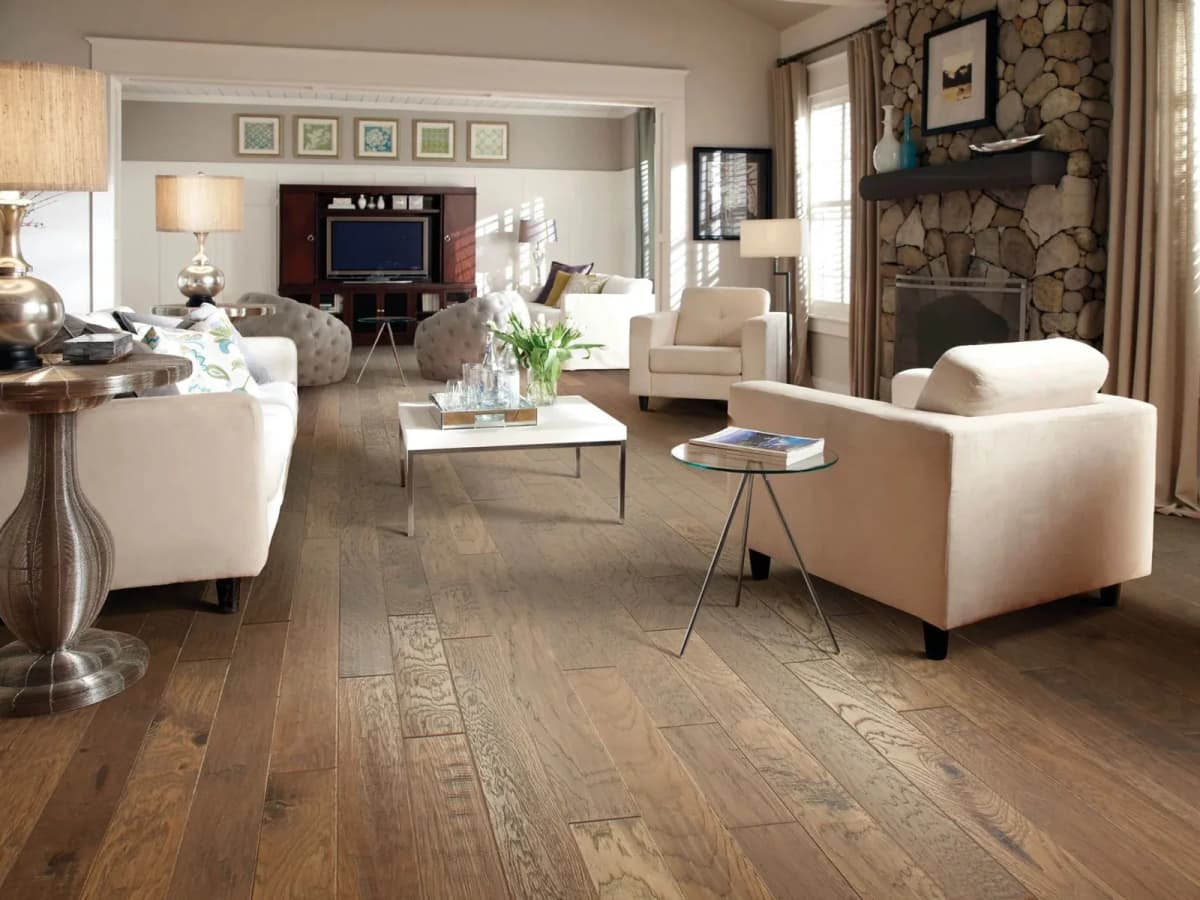
Cupping. The edges of each plank rise higher than the center, creating a concave shape. This happens when the bottom of the plank absorbs moisture from the subfloor faster than the top surface can release it. The plank expands unevenly.
Crowning. The opposite of cupping — the center of the plank is higher than the edges. This often happens after cupping is "fixed" by sanding the floor before the moisture issue is resolved. The plank eventually dries out and the center pushes up.
Gapping. Visible gaps appear between planks, especially in winter. The wood was installed while swollen with summer humidity, and as it dried out, it shrank. Some seasonal gapping is normal with hardwood — gaps the thickness of a dime that close in humid months are expected. Gaps the width of a nickel that never close are a problem.
Buckling. The most dramatic failure. Planks literally lift off the subfloor, tenting upward. This usually happens when wood expands beyond what the expansion gaps can absorb — either because the wood was installed too dry and then absorbed a lot of moisture, or because the installer didn't leave adequate expansion gaps around the perimeter.
How to Acclimate Properly
Step 1: Prepare the room. The HVAC must be running at normal settings. If you're renovating, finish all wet work (painting, drywall mud, plumbing) first. Those activities add moisture to the air.
Step 2: Bring the boxes inside. Stack them in the room where they'll be installed. Some manufacturers say to leave boxes sealed; others recommend opening them and cross-stacking planks with spacers for air circulation. Follow your specific manufacturer's instructions — they know their product's construction.
Step 3: Check moisture levels. Use a pin or pinless moisture meter to test several planks and multiple spots on the subfloor. Record the readings. Check again daily until the readings stabilize and the difference between wood and subfloor is within the manufacturer's recommended range.
Step 4: Maintain conditions. Don't turn off the AC to save money while you wait. Don't leave windows open. The whole point is to let the wood reach equilibrium with your home's normal environment.
A Note for Your Installer
A good installer will insist on acclimation and moisture testing. If your installer wants to start the same day the flooring arrives, or tells you acclimation "isn't necessary," find a different installer. This is the single most expensive shortcut in the hardwood business, and you'll pay for it — either in warranty claims that get denied or in a floor that needs to be torn out and replaced.
Ready to get started? Browse our hardwood flooring collection featuring Shaw and Anderson Tuftex — all shipped straight from the manufacturer with detailed acclimation instructions included in every order.
Common questions
Frequently Asked Questions
How long does hardwood flooring need to acclimate before installation?
There is no universal number, and the guidance genuinely varies by manufacturer, species, and construction — some engineered hardwood instructions set no fixed acclimation period at all and ask instead that the home already be at normal living conditions before the flooring is delivered. Follow the instructions printed with your specific product. The variables that drive the answer are the season, your home's HVAC system, the wood species, and the starting moisture content of the planks. Denser species like hickory and maple acclimate more slowly than softer woods. Wider planks are more affected by moisture changes than narrow strips. The correct test is a moisture meter — the difference between the wood's reading and the subfloor reading should be no more than 2-4% before installation begins.
Why do you have to acclimate hardwood flooring?
Wood is hygroscopic — it absorbs and releases moisture from the surrounding air. Flooring shipped from a warehouse reflects the humidity of that environment, not your home. Install planks that are significantly wetter or drier than your home, and the wood will adjust after installation, expanding or contracting while locked to the subfloor. The result is cupping (edges higher than the center), crowning (center higher than edges), visible gaps between planks, or in severe cases, buckling where planks lift entirely off the subfloor.
What temperature and humidity should the room be during hardwood acclimation?
For most hardwood species, the target range is 65-75°F (18-24°C) and 35-55% relative humidity. Critically, the HVAC must be running at the same settings you'll maintain year-round — not turned off to save money during the wait. The subfloor also needs to be dry, clean, and flat within 3/16" over 10 feet. Installing in new construction where the HVAC isn't yet operational is a risk: the acclimation conditions don't reflect what the floor will actually live in.
What happens if you skip acclimation on hardwood floors?
Cupping, gapping, and buckling — all of which are expensive and largely preventable. Cupping happens when plank edges rise higher than the center as moisture absorbs unevenly. Gapping appears between planks when wood installed at summer humidity dries out in winter. Buckling is the most dramatic failure: planks literally lift off the subfloor when wood expands beyond what the expansion gaps can absorb. Warranty claims for these failures are routinely denied when there's evidence that proper acclimation and moisture testing weren't performed.
Related Posts
Keep Reading
How to Match New Hardwood to an Existing Floor (Even If It's Discontinued)
10 min read
Shaw Hardwood Buying Guide: Repel, The Gallery and Expressions (2026)
9 min read
What Is the Best Flooring for Stairs? Hardwood, LVP and the Stair Nose (2026)
13 min read
Herringbone Flooring Guide: What Makes the Pattern Premium (2026)
8 min read
Keep browsing